Article
2023 Spring Newsletter
The Jamestown Rhode Island Historical Society’s Spring 2023 Newsletter.
The Jamestown Rhode Island Historical Society’s Spring 2023 Newsletter.
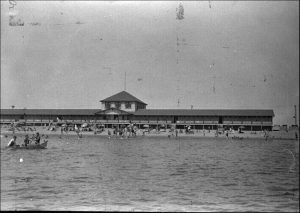
In 1927, construction of a beach pavilion, a town facility, began. The pavilion was designed by Ralph G. P. Hull (1885-1941), a local Jamestown building contractor. The 272-foot-long pavilion opened in July 1928.
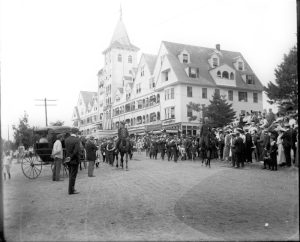
In the halcyon days when Jamestown was a summer resort, visitors stayed in hotels and cottages for weeks at a time. One of the premier hotels was the Thorndike (sometimes spelled Thorndyke). It was located where BankNewport is now.
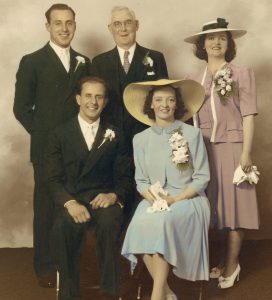
In 1880, more than 80 percent of the people living in Jamestown were native to Conanicut Island, and only 1 percent came from non-English-speaking countries.
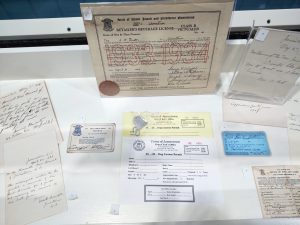
The new exhibit mounted by the Jamestown Historical Society in the mini-exhibit case in the foyer of Town Hall features licenses and license applications from the JHS collection.
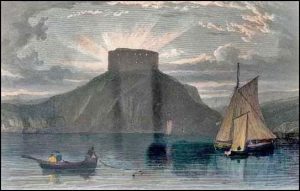
For over 100 years Fort Dumpling stood at the southeast tip of the main part of Conanicut Island looming over 85’ granite outcroppings that dropped to the sea.
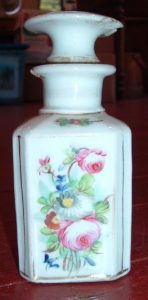
The new exhibit mounted by the Jamestown Historical Society in the mini–exhibit case in the foyer of Town Hall features bottles of all kinds from the JHS collection. The oldest bottle shown is a white porcelain perfume bottle from the colonial era.
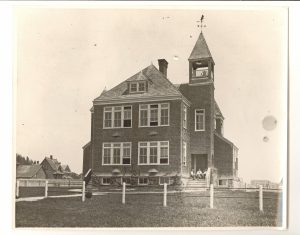
The Carr School was built in 1889 on the site now anchored by McQuade’s Market. It was a large two-story building serving grades K-4 and was in use until 1955 when the Lawn Avenue School was built.

Few were left untouched by the global conflict, and 13 men from Jamestown died serving their country. The hardest-hit local family was the Brooks family. Eighty years ago, the United States was entering its second year of involvement in World War II.