Jamestown's History Can be Told Through the Quahog Shell
Conanicut Island is home of the quahog.
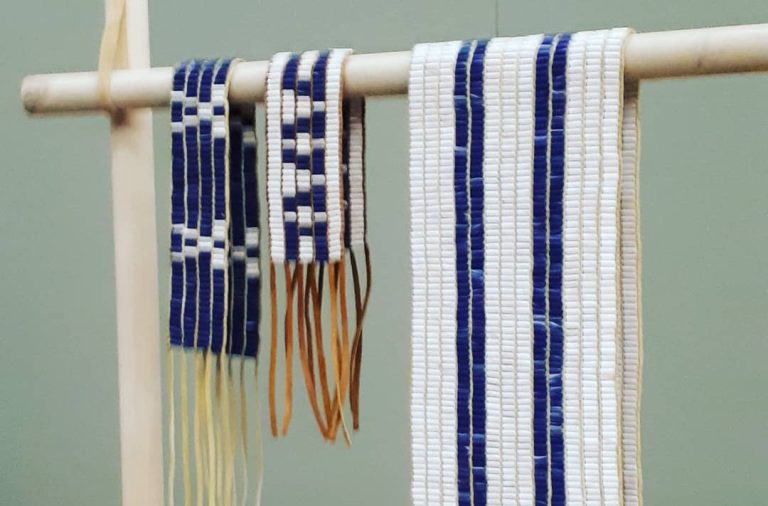
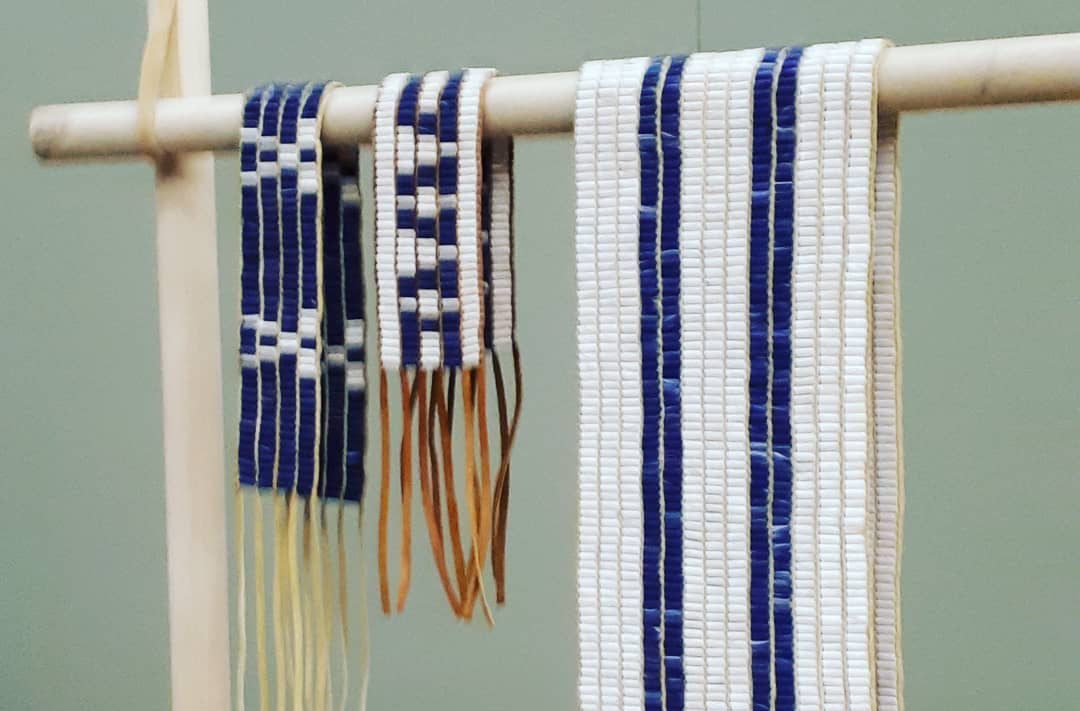
Indigenous people in Jamestown buried their loved ones with decorated quahog shells as long ago as 1400 BC, according to discoveries by archaeologist William Simmons. The familiar purple wampum beads and belts made from quahogs started to appear later, around 500 AD. Even the word “quahog” is indigenous to Conanicut, a truncation of “poquahock,” the Narragansett word for “clam.”
In the 17th century, before the English colonists arrived, burial sites on Conanicut Island often included delicately carved beads, amulets and necklaces from quahogs and welk. They were objects of spiritual significance to aid the Narragansett people on their journey in the afterlife. According to Rhode Island founder Roger Williams, they “go themselves when they die to the court of their great God Cautantouwit” in the southwest.
Williams observed that wampum belts, which the tribe wear “about their middle as a scarf,” were reserved only for leaders: “Yea, the princes make rich caps and aprons, or small breeches of these Beads.” These were gifted as tributes between tribes for social and diplomatic relationships.
For colonists, however, the shells played a different role in their unremitting contest with the Narragansett people to acquire their land.
Not long before the King Philip’s War, tensions were high as indigenous people were losing more and more land to the colonists. In 1658, Williams wrote the pressure to purchase the island caused “many thorny controversies and extreme difficulties. And it is the wonderful mercy of God that the English and pagan blood hath not bene yearly mixed together about this matter.”
In exchange for the land, the Narragansett desired reciprocity, offering to settle “without any other payment” if colonists helped them against their enemies, the Mohegans, and brought tributes of gifts.
Williams decried gift-giving, “constantly sending up contributions to the Nickommo” feasts. These “feasts or dances,” which were rituals to reset a world out of balance, were held in times of sickness, drought, war or famine. Quahogs, fish, corn and venison were the usual fare.
Ultimately, the English colonists prevailed in their unrelenting quest for more land. Unsurprisingly, quahogs, in the form of wampum, took center stage.
At the time of Jamestown’s purchase, purple wampum was legal tender at four beads to one English pence. During four separate transactions from 1657-60, colonists delivered to Narragansett sachems just under a mile of strung wampum beads worth 260 pounds British sterling.
To the English, this constituted a purchase of the island, though the Narragansetts considered it only a right of use. But where did colonists find hordes of beads that were made only by indigenous artisans?
To the English, this constituted a purchase of the island, though the Narragansetts considered it only a right of use.
- Peter Fay
Wampum was the default currency of early fur traders in the Northeast, and by proxy, that of all other commerce. Colonists accumulated wampum not only through commerce but also through treaties and court penalties. After the colonists’ war against the Pequot tribe, Mohegans and Narragansetts had to pay annual penalties for each Pequot captive adopted into their tribes. In 30 years, fees totaled some 7 million beads.
As the fur trade declined and Europeans developed water-powered machines to automate wampum production in the early 1700s, wampum fell out of use as a currency. However, it retained its traditional role among the Narragansett as a spiritual symbol and tributary gift to sachems.
Throughout the centuries, the quahog periodically has reinjected itself into Jamestown’s chronology. Archaeological excavations under the Conanicut Battery found evidence of Revolutionary War soldiers smoking pipes and eating quahogs.
Shell middens, refuse mounds from ancient indigenous villages, have been found across the island. In 1899, the Newport Daily News reported a location “long known” where “there had formerly been an Indian campground” with heaps of old quahog shells.

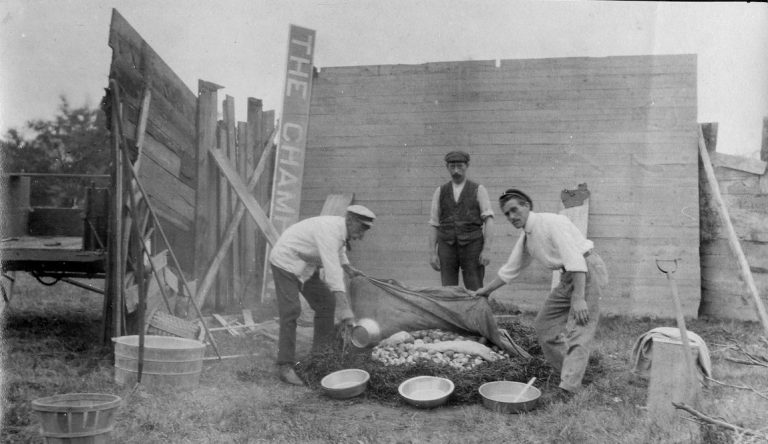
Jamestown residents continued to consume quahogs in feasts, not unlike Narragansett traditions. In August 1891, 30 members of the Jamestown Grange attended a clam dinner as an outing. Rear Adm. Seaton Schroder organized summer clambakes for his sailors, as did the Bates Sanitarium for its patients.

For the Narragansett people, the tradition of making wampum not only survived the centuries but thrived. In March 2022, the Jamestown Historical Society sponsored a presentation by Narragansett artisan Allen Hazard on his decades-long business of making wampum gifts and artwork. He still finds great spiritual meaning in the gift from nature.
“The shell was given the same respect that we gave to all living creatures,” he said. “We believed they shared their lives with us. Upon harvesting quahogs from the ocean (the Great Waters), we prayed and gave thanks for them allowing us to take their lives to continue ours.”